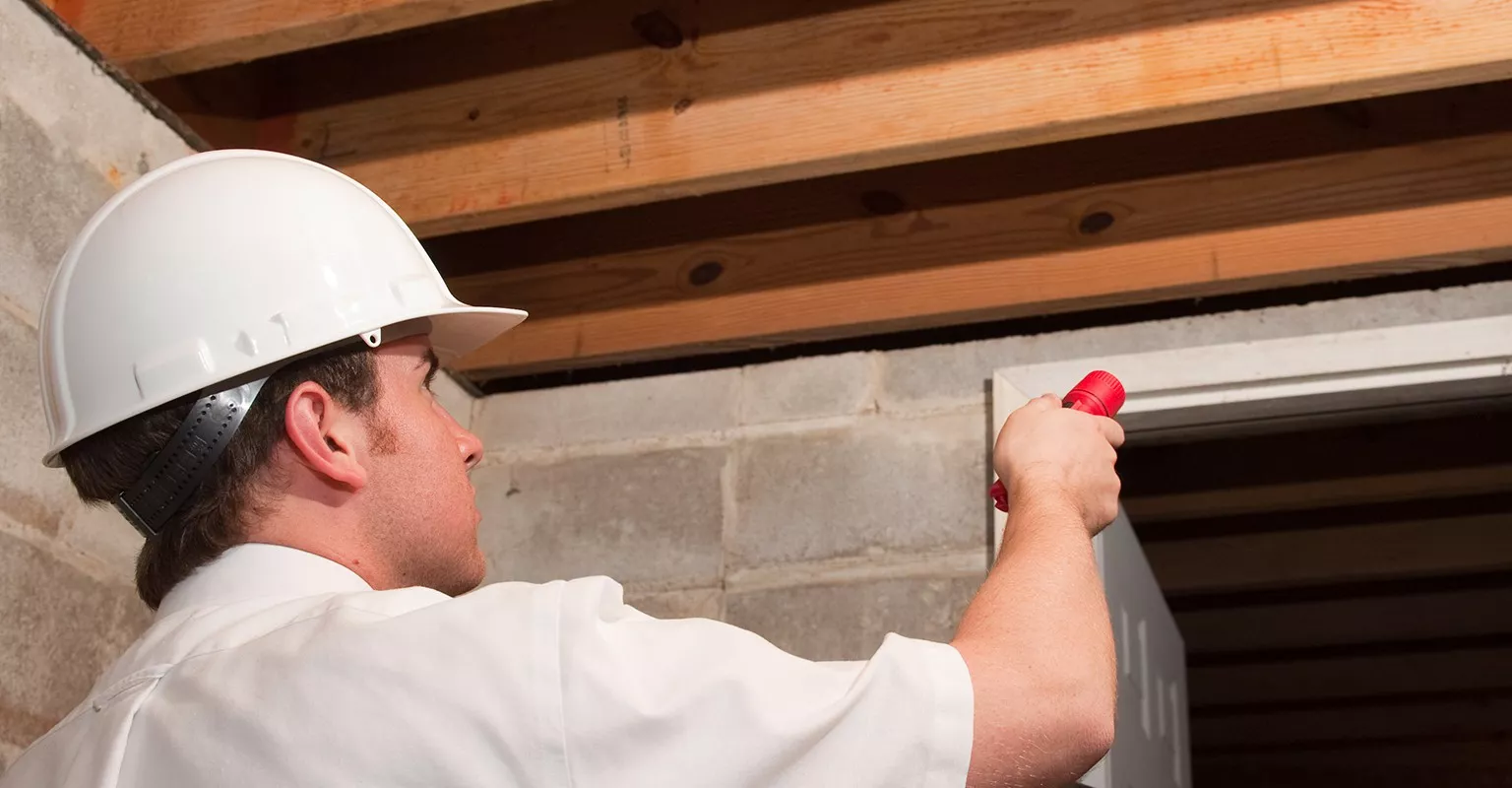

What are the signs that I need bat removal?
Common signs you should call for bat removal include:
Bat droppings (guano). You might find small, dark pellets clustered in your attic or near potential entry points. Unlike rodent droppings, guano often has a slight sparkle and crumbles into dust.
Stains near entry points. Oily, dark smudges around small cracks or holes on your home’s exterior are a telltale sign. These rub off the bats' fur as they squeeze through openings.
Scratching or squeaking sounds. You may hear faint scratching, crawling, or high-pitched chirping noises from your walls or ceiling, especially around dusk and dawn.
A strong ammonia smell. A large accumulation of bat guano and urine creates a distinct and unpleasant odor that can become quite noticeable over time.
Seeing bats. The most obvious sign is spotting bats entering or leaving your home at sunset. Finding even one bat inside your living area often means there’s a larger colony roosting nearby.
Does anyone remove bats for free?
Generally, no. Professional bat removal is a specialized service that typically comes with a fee. While some local animal control agencies may offer free advice, they typically don’t handle the full removal and exclusion process for private homes. Check with a state or local wildlife agency to see what services are available in your area.
Why is it so expensive to get rid of bats?
Bat removal costs more than other pest control because it’s a complex, multi-step process. Since bats are often protected, they can't be harmed and should be humanely excluded using special one-way doors. Pros then must find and permanently seal every tiny entry point on your home to help ensure the colony doesn't return.
Keep in mind that the total cost depends on several factors, including:
The size of the bat colony: The more bats living in your home, the more complex the removal process can be.
Location of the bats: It’s typically more difficult to access and remove bats from tight spaces like wall voids or chimneys than from an open attic.
Cleanup and repairs: Bat droppings (guano) can be hazardous and may require special cleanup. The cost can also increase if bats have damaged insulation, wiring, or structural elements.
Number of entry points: A pro will need to seal all entry and exit points to prevent bats from returning. The more openings that need to be secured, the more labor and materials it will take.
The type of structure: The complexity of your home’s construction may require specialized methods for safe and effective exclusion, which may influence the price.
What questions should I ask before hiring a bat removal service?
Before hiring a pro for bat removal, be sure to ask these questions:
Are you licensed and insured for wildlife control in my state?
What methods do you use to remove the bats, and are they humane?
How much experience do you have with bat infestations?
Can you explain your entire process, from inspection to removal and exclusion?
Do you guarantee that bats won’t return?
What factors can affect the total cost of the project?
Does your service include cleaning and sanitizing the area to remove guano?
What steps should I take before my pro arrives to remove a bat infestation?
Before your pro arrives for bat removal, take these steps to ensure a safe and efficient appointment:
Step 1: Don't disturb the bats. Avoid trying to seal any entry points or scare the bats away, as this can cause them to retreat further into your home and make removal more difficult.
Step 2: Clear a path to the area. Make sure the professional can safely and easily access the attic, crawlspace, or other areas where you suspect the bats are roosting.
Step 3: Keep pets and children away. For their safety, secure pets and keep children out of the work area during the inspection and removal process.
Step 4: Take notes on your observations. Write down where you’ve seen bats, the times of day you notice activity, and the locations of any droppings you’ve found.