
Is external pest control worth it?
Yes, it's often a worthwhile investment. Outdoor pest control creates a protective barrier around your home to stop pests like ants and spiders before they get inside. This proactive approach can prevent larger indoor infestations, saving you stress and money in the long run.
What should I ask before hiring outdoor or yard pest control services?
Before hiring outdoor pest control services, be sure to ask your pro these questions:
Are you licensed, bonded, and insured?
What experience do you have with the specific pests on my property?
What treatment methods and products do you use, and are they safe for people, pets, and plants?
Can you walk me through the proposed treatment plan and its frequency?
Do you offer a guarantee for your services if pests return?
What is the cost structure, and am I required to sign a contract?
Is there anything I need to do to prepare my yard before or after the treatment?
What happens during an outdoor pest control visit?
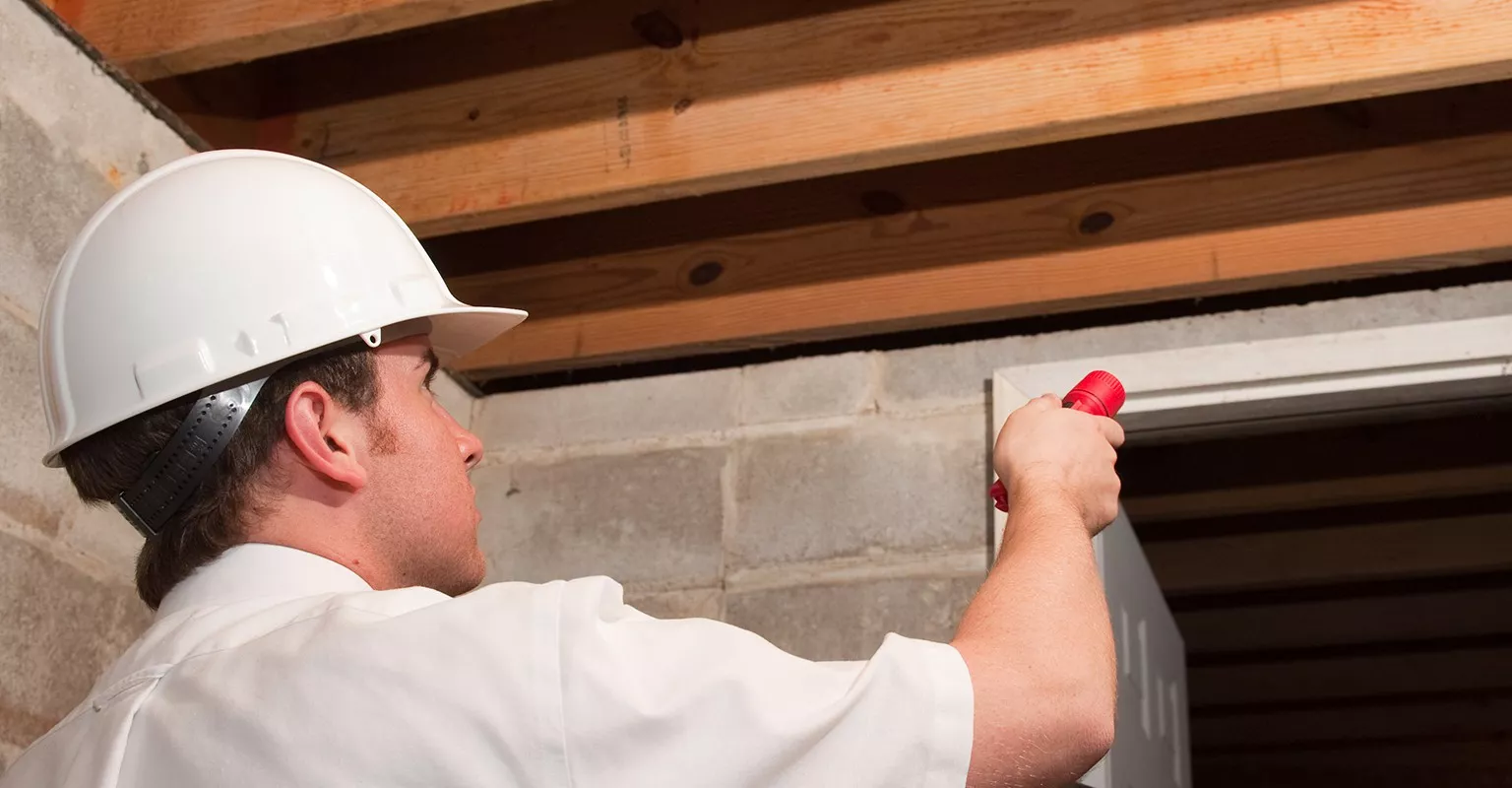
During your pro’s visit, you may expect them to first conduct a thorough inspection of your property’s exterior, looking for pest activity and potential entry points. Based on their findings, they’ll apply a targeted treatment, which could involve spraying the perimeter of your home, treating specific nests, or setting up bait stations. Finally, your pro will likely offer recommendations for long-term prevention, such as trimming vegetation away from the house or sealing small cracks.
What is the difference between pest control and extermination?
Extermination is a one-time treatment to eliminate an active infestation. Pest control is a long-term strategy that includes prevention and management to keep pests away for good. This ongoing approach can be part of a larger yard maintenance plan that also includes services like weed control.
What's the hardest yard pest to get rid of?
Some of the hardest yard pests to get rid of are moles, termites, and invasive ants:
Moles are tough because they live underground and can quickly create new tunnels.
Termites are a challenge because a lot of their damage happens out of sight, and colonies can be large and persistent.
Certain ant species are hard to get rid of because they have multiple queens and can relocate nests.
A pest control pro can help identify your specific pest, treat the root of the problem, and even prevent re-infestation for better long-term results.
What factors can impact the cost of yard pest control services?
There are several factors that might impact the cost of this project, including:
Yard size: Larger properties typically require more product and time to treat, which can increase the price.
Type of pests: The specific pests you’re dealing with matter. Some, like grubs, may require more intensive or specialized treatments than common ants.
Severity of infestation: A minor pest issue will likely cost less to resolve than a widespread, severe infestation that needs multiple applications.
Treatment plan: The cost will vary depending on whether you need a one-time service or a recurring maintenance plan, such as monthly or quarterly visits.
Service bundles: Some pros offer discounts if you bundle pest control with other services, such as fertilization or weed control.
What are the signs that I need yard or outdoor pest control services?
Common signs that indicate it’s time to call for yard pest control services include:
Visible pests or plant damage. You may notice an unusual number of insects like ants, mosquitoes, or ticks. Other signs include chewed leaves or unexplained brown patches on your lawn.
Nests, mounds, or burrows. Discovering anthills, wasp nests, or tunnels from moles and gophers are clear indicators of an established pest population.
Increased indoor pests. If you’re suddenly seeing more spiders, ants, or other critters inside, they may be coming from a larger infestation in your yard.
Unusual sounds or smells. Scratching or buzzing sounds coming from your deck, walls, or the ground can point to hidden nests. Some pests also leave behind distinct, unpleasant odors.
Droppings or tracks. Finding small droppings or tracks around your property, especially near trash cans or garden areas, is a common sign of rodents or other unwanted animal visitors.
What happens during a yard pest control visit?
During your pro’s visit, you may expect them to start with a thorough inspection of your yard. They’ll identify the specific pests you’re dealing with, locate their nests, and look for other potential issues that could affect your yard's health, such as areas needing weed control. After the assessment, your pro will apply targeted treatments, which could include liquid sprays around your home’s foundation or granular pesticides in lawn and garden areas. They’ll also likely offer recommendations for long-term prevention, like trimming back foliage or removing standing water.
Do you need pest control if your yard has extensive hardscaping?
Yes — even with extensive hardscaping, pest control can still be important. Pests often use cracks in pavers, retaining walls, and concrete as shelter, and they may move between hardscaped areas and nearby plants or soil. Drainage issues or irrigation can also create moisture that attracts insects and rodents. When hardscaping is close to your home, it can make it easier for pests to find their way indoors.
A pest control pro can spot hidden entry points and nesting areas and create a targeted plan to help protect your home, giving you confidence that issues are being addressed before they become bigger problems.