
What is a pest emergency?
A pest emergency is any situation where pests pose an immediate threat to your health, safety, or property. This often includes aggressive pests like wasps, rapidly spreading infestations, or pests that carry diseases. For instance, many people consider a rodent discovery an emergency that requires professional attention.
Here are a few signs that indicate it’s time to call for emergency pest control services:
Aggressive pests: Stinging insects like wasps or bees have built a nest near doors, windows, or outdoor living spaces.
A sudden, large infestation: You’re suddenly seeing a huge number of pests, like cockroaches scattering when you turn on a light or ants covering your kitchen counters.
Active property damage: You discover pests actively harming your home, such as rodents chewing wires, termites damaging wood, or carpenter ants tunneling through structures.
Immediate health concerns: You find pests known to carry diseases, like cockroaches or rodents, in your kitchen or pantry. Widespread droppings can also pose a health risk, and you may need a professional to safely resolve the issue.
A confirmed bed bug problem: Finding live bed bugs, their eggs, or shed skins in your mattress or furniture. These infestations spread quickly and are very difficult to handle on your own.
How do you get pest control services quickly?
Contact a professional who offers emergency or same-day services. Be ready to describe the pest, its location, and the size of the infestation so they can come prepared and respond effectively. Many pros can arrive within a few hours for urgent situations.
What are the signs of pests in your home?
Signs of pest infestations vary by the type of pest. Here are a few signs to watch out for when it comes to some of the most common pests:
Ants: Stray ants walking around or large numbers congregating, wood shavings, ants emerging from hidden crevices, ant nests
Rats or mice: Droppings, chewed objects and wires, scampering noises, holes in walls and floors
Cockroaches: Cylindrical droppings, brown smear marks, live cockroaches
Fleas: Small and dark spots on your pet’s skin, your pet starts scratching excessively, pepper-like “flea dirt” in bedding, carpet or furniture
Bed bugs: Droppings in the seams of your mattress, rusty/reddish stains on bed sheets, bites on your skin
Termites: Mud tubes, wood-scented droppings, small holes in walls, peeling or bubbling paint, wood damage
Bees or wasps: Excessive number of bees and wasps, dark patches on the walls or ceilings, and papery nests or hives under roof eaves, behind shutters, on balconies or in garden sheds
If you notice any of these signs in your house, contact the best exterminators near you.
How do I choose the best emergency pest control pro?
When looking for a professional to handle for emergency pest control, make sure you complete the following steps:
Verify their license and insurance: Pest control applicators often need a state-issued license and should carry general liability insurance to cover any potential damages. These requirements vary by region, so it’s good to check your local laws.
Get several estimates: While time is critical in an emergency, try to get at least a couple of quotes. A proper estimate should include the inspection fee, the proposed treatment method, and the cost of any necessary follow-up visits.
Read their reviews: Look for mentions of quick response times, professionalism, and effective, long-lasting results. Red flags include customers complaining about pests returning quickly, unexpected charges, or poor communication. See if they have experience with urgent jobs, like emergency rat control.
Look at their portfolios: A pest control pro’s portfolio may not have photos, but it should describe the types of infestations they’ve handled. Look for experience with situations similar to yours, whether it’s a wasp nest, bed bugs, or rodents.
Find out if they have warranties: Many companies will provide free re-treatment if the pests come back within a certain timeframe, such as 30 or 60 days.
Ask important questions: Before you hire, be sure to ask: “What is your typical response time for an emergency?”, “Are the products you use safe for pets and children?”, and “What does the initial price include?”
What factors can impact the cost of emergency pest control?
There are several factors that might impact the cost of this project, including:
Type of pest: Different pests require different strategies and products. For example, a widespread issue like bed bugs can be more complex than dealing with a single raccoon.
Severity of the infestation: A small, contained problem will likely cost less to resolve than a large, established colony that has spread throughout your home.
Property size: The total square footage of the area that needs inspection and treatment will influence the time and materials required for the job.
Number of treatments: Some pests can be eliminated in a single visit, while others may require several follow-up appointments to ensure they’re gone for good.
Timing of the service: Because it’s an emergency, you can expect to pay a premium for services requested after normal business hours, on weekends, or during holidays.
What should I expect during an emergency pest control visit?
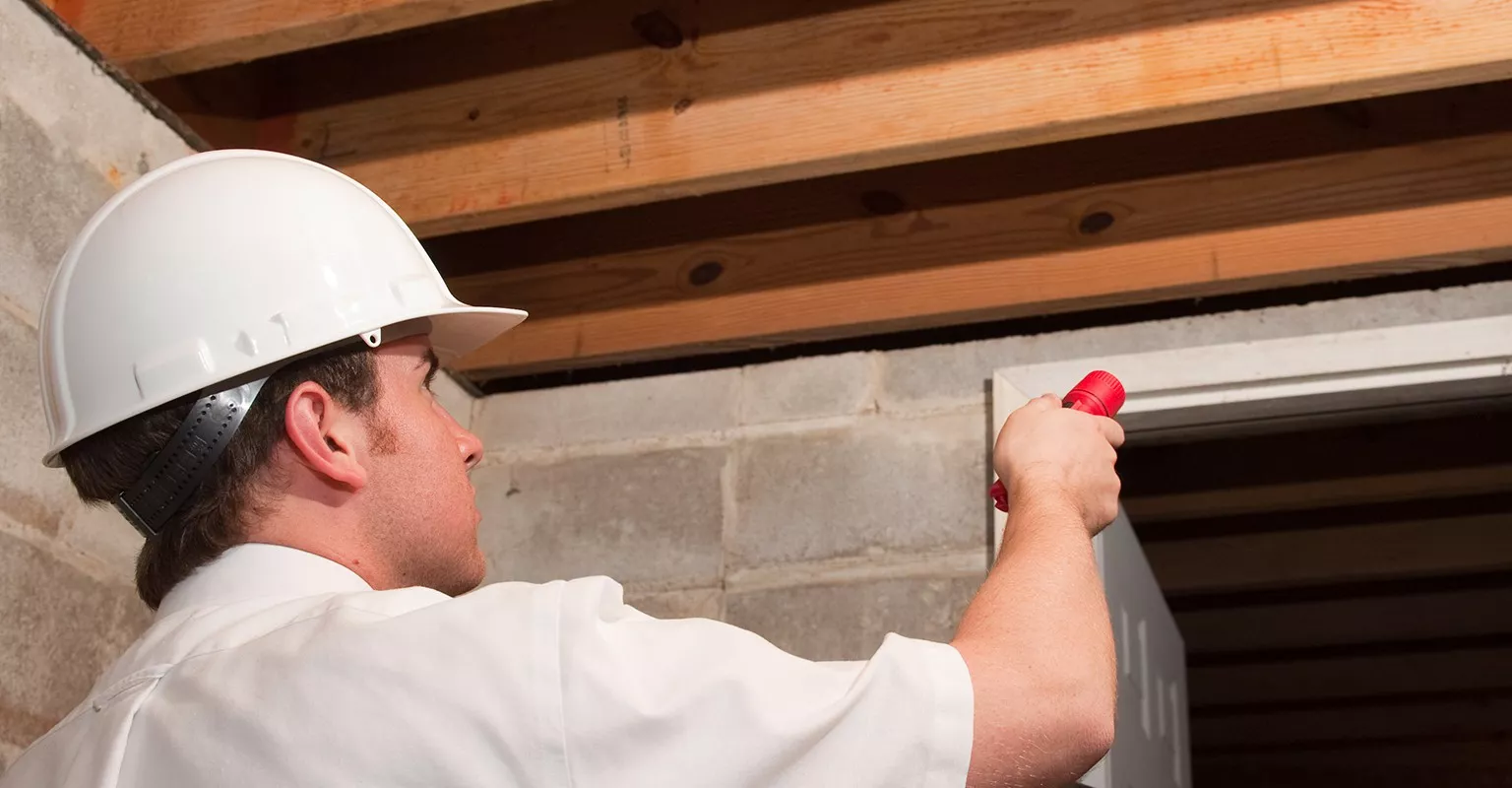
During your pro’s visit, they'll usually start with a thorough inspection to identify the pest and find out how it’s getting in. Once they’ve assessed the situation, they’ll take immediate action to handle the crisis, which could mean setting traps or applying a specific treatment. They should also walk you through the process, explain any safety measures you need to follow, and discuss a plan for preventing future problems.
What is the hardest pest to control?
Bed bugs are often the hardest pest to control because they're incredibly resilient. They reproduce quickly and can resist some pesticides, which is why you'll typically need a professional for successful bed bug extermination. Complete and lasting removal may take several treatments over a few weeks.