Tips, tricks, and hacks to clean your house fast
By Nicki Escudero•Last updated Oct 11, 2022
Last updated Oct 11, 2022
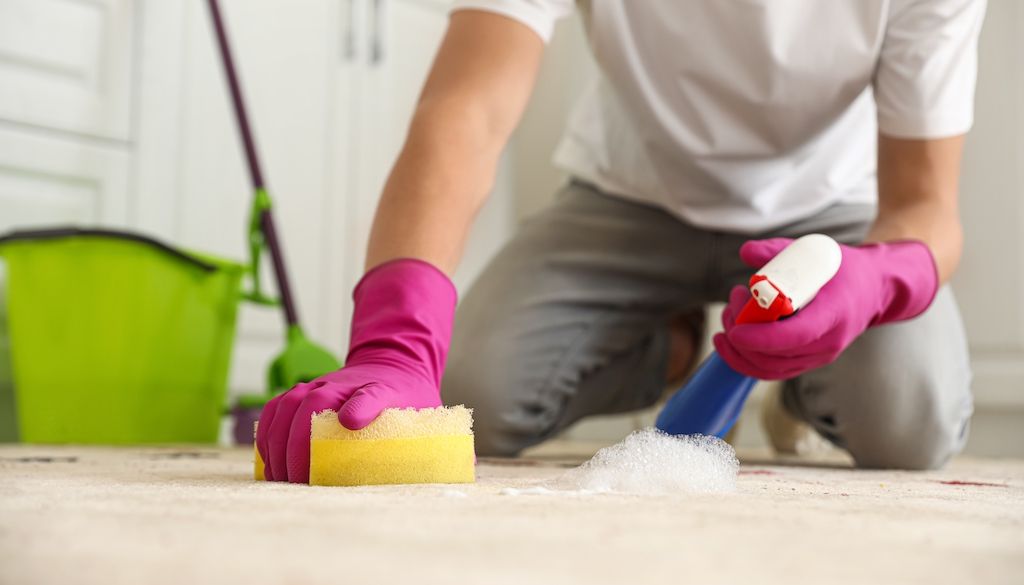
There’s not much that beats the look and feel of a clean house. But let’s face it: getting a house thoroughly clean takes time. If you haven't cleaned in a while, we're talking several hours to do it all at once.
If you need a clean house fast – say, you have guests coming over unexpectedly – no worries. We’ve got you covered with quick house cleaning tips that can get your home sparkling in less time. Also, learn about little actions you can do each day to help you keep a clean house with less effort.
General house cleaning tips to speed up the process
When you’re cleaning the whole house, you can make the process more efficient every time by following these guidelines.
Collect cleaning supplies in a caddy

A simple cleaning caddy is one of our favorite tools for fast house cleaning throughout every bedroom, living room, dining area, kitchen, and bathroom. You can store and organize all your cleaning items in one place and carry it from room to room. That saves time.
You can save even more time by keeping a separate cleaning caddy in a few rooms. Keep one under your kitchen sink, in your bathroom closet, and so on, for faster cleaning.
What should you put in your cleaning caddy? Consider basics like:
- Duster
- Glass cleaner
- Bathroom and kitchen cleaning solutions
- Rags, sponges, microfiber cloths, and paper towels
Splurge on a few high-quality tools

The better the tool, the more time you can save. A bargain-brand toilet cleaner might not be as effective as one that costs a couple of dollars more, for example.
The same goes for cleaning tools like a vacuum and mop. Instead of settling for a cheap vacuum cleaner, get one with a few extras like an upholstery tool, a crevice tool, and swivel steering. That way, cleaning hard-to-reach areas and removing stubborn dirt, dust, or hair from flooring and furniture will be a little easier and faster.
Paying a little extra can save you time. Cheap items may break more easily or not work as well, which can cost you more money and time in the long run.
Pull double-duty

For cleaning tasks that can be automated, get them started before you begin your manual cleaning tasks. For example, before you start sweeping or wiping down the counters, you can:
- Start a load of laundry.
- Run the dishwasher.
A self-clean oven cycle is the exception — it's not a background task. The cycle reaches around 900°F, runs for two to four hours, locks the door, and burns food residue off as smoke.
Before you start one, remove the racks, any foil and loose debris, open windows and run your range hood, and move pets out of the kitchen — birds especially. Plan to be home while it runs. Save it for a day when you're not also trying to finish the rest of the house.
Clean top to bottom and left to right

You don’t want to have to re-clean what you’ve already finished. With a top-to-bottom cleaning method, dust and debris keep falling until you vacuum everything up at the end. If you clean bottom to top, you’ll likely need to sweep and vacuum twice.
Cleaning top to bottom also helps you move more quickly from room to room with the same type of cleaning tool. Try this order for a quick clean:
- Remove clutter and put items back where they belong.
- Take out things that need to be washed, like used bath and kitchen towels, rugs, bed sheets, and more. Wash them in their respective machines.
- Dust all surfaces and items on top of surfaces, like ceiling fans, bookshelves, and tall dressers.
- Spray and scrub surfaces.
- Vacuum.
- Mop and clean floors.
You can also clean left to right so you’re not trying to remember whether you already cleaned something and wasting time re-cleaning.
Block out time to clean on your calendar

Like any work task, you can clean faster when you stay focused. Block out cleaning time on your calendar and stick to it, so you focus on cleaning — and only cleaning — during that time. Adopt a professional cleaner’s mindset, as if you’ve been hired to clean your house.
When you have a schedule to follow, it can help you stay on track and avoid wasting time. Some people find it easier to clean one room on a certain day each week. For others, it’s easiest to clean for a few hours once a week.
Choose what works for you. Block out cleaning time in your calendar, then keep that weekly appointment.
As we cover later, one way to have a cleaner house more regularly, in less time, is to make cleaning a habit. When cleaning becomes part of your routine, your house will look cleaner more often with less effort.
Fast house cleaning tips for every room
Here’s a room-by-room look at how you can apply speed-cleaning techniques throughout your house.
Bathroom

Bathrooms reward the apply-and-wait approach more than any other room, since most of the work is done by cleaners sitting on a surface rather than by scrubbing.
- Before you spray anything, run the exhaust fan and open a window, and don't apply two different cleaners at the same time. Many toilet bowl cleaners are acidic and many bathroom sprays contain bleach — combined, they release chlorine gas. Pick one product per surface, and if you're switching products, rinse the first surface thoroughly before applying the second. Never mix cleaners in the same bottle or bucket.
- Always clear the space first. Remove toiletries, shampoo bottles, trash cans and bath rugs from the counters and floor before you start. Then spray bathroom cleaner on your shower walls, bathtub, sink, and countertop, and let it sit while you tackle other tasks. If you have a rubber or vinyl non-slip tub mat, spray both sides of that too — the underside traps the most soap scum and mildew.
- Complete other tasks as the cleaners sit. While the solutions work on the counters, toilet, and tub, toss your towels and fabric bath mats in the washing machine, and throw away old or unused products from your drawers and cabinets.
- Do the floors last. If you don’t want to clean your bathroom floors twice, save this step for the end. Remember: always clean top to bottom.
- Use an electric bathroom scrubber. Instead of scrubbing with a sponge or brush by hand, consider getting an electric shower or toilet scrubber to speed up the cleaning process.
Kitchen

The kitchen has the most machines that can work while you do, so the trick here is getting them running before you pick up a cloth.
- Clean while the dishwasher is running. Get dirty dishes sparkling clean while you work on the rest of your kitchen.
- Clean as the dishes soak. If you don’t have a dishwasher, put your dishes in the sink. Let dishes with caked-on food and liquids soak in hot water with soap while you clean other parts of your kitchen.
- Clean the oven on a separate day. It's tempting to run a self-clean cycle while the dishwasher goes, but the cycle takes hours, fills the kitchen with heat and smoke, and needs you around to keep an eye on it. For a same-day clean, wipe up loose debris and spot-clean spills instead, and schedule the self-clean cycle for another time.
- Wipe counters and appliances near the end. After you’ve cleared the countertops and put all the food away, tackle your appliances and counters. Do this near the end so you don’t add new fingerprints and smudges to surfaces you’ve already wiped clean.
- Shake out kitchen mats. Before you clean the floors, make sure all crumbs and dirt from the kitchen mats are on the floor so you can sweep them up easily.
- Vacuum, sweep, and mop the floors last. Get rid of any debris that hit the kitchen floor. Mop the surface, too.
Living room

Living rooms are mostly a dusting job, which means the top-to-bottom order matters more here than anywhere else in the house.
- Start at the ceiling and work your way down. If you have a ceiling fan or lights, dust those areas first. Remove cobwebs and dust from ceiling corners and along trim or molding. Then wipe down your shelves and tabletops.
- Check underneath the cushions and furniture. Remove dirt, dust, crumbs, and even food wrappers from these areas before you vacuum and clean upholstery.
- Clean while stain removers work. Many stain removal products need a few minutes to work. While you’re waiting for the solution to remove the wine stain on the couch, focus on cleaning other areas in the room, like the TV and electronics.
- Clean your baseboards before your floors. Always remove dust from your baseboards before you vacuum, sweep, or mop your living room floors.
Kids’ bedrooms

Kids' rooms take longest because of clutter, not dirt — so most of the time you save comes from making things easier to put away.
- Make cleaning a game. Get your kids involved in the cleaning fun. Ask them to help you clean and put things away to cut down on cleaning time.
- Add some labels. Help your kids — and yourself — remember where every book, doll, game, and action figure goes by adding labels to cubbies, toy boxes, or baskets. This can make cleaning their rooms faster.
- Sort the clothes on the floor. Dirty clothes go straight into the hamper, and anything clean goes back in the closet or drawer. Doing both in one pass beats circling the room twice.
- Look for hidden messes. Before you start vacuuming or wiping down surfaces, check underneath and behind the bed, inside cushions, and in closet corners for hidden messes. There’s nothing worse than cleaning a child’s bedroom, thinking you’re done, and then finding spilled drinks, crumbs, or food wrappers in a hidden spot. Make sure you’ve found all the messy areas before you start getting your hands dirty.
Habits and tools that will make it easier to clean next time

When a large portion of your house is dirty, cleaning it all at once can feel overwhelming. That’s why we encourage small actions that can make cleaning more manageable and faster.
You may be surprised at how adding small cleaning habits to your lifestyle can reduce stress and make your home fresher and cleaner over time. The Cleveland Clinic reports that a clean home can boost mental health and decrease stress. Clutter and mess, on the other hand, could increase tension and contribute to depression.
While it does take a little time to clean each day, doing so can provide a better quality of life. Make cleaning part of what defines your household and the people in it. Talk about its importance to your kids. Come up with cleaning routines and agreements with your spouse, partner, or roommates.
Agree to do the following quick actions as part of your regular routine:
- Make the bed every morning. Your bed is likely the largest item in your room and, therefore, a focal point. Simply making the bed and smoothing out the sheets and comforter can instantly make a room look much cleaner and more organized.
- Toss expired items. Every week, throw away expired food from your kitchen, refrigerator, freezer, and pantry in a trash bag and take it out.
- Clean as you go. If you notice a surface is dusty or dirty, clean it right away. Wipe down the kitchen after cooking and scrub off toothpaste in the bathroom immediately. When the laundry basket or dishwasher is full, run a load. Put the contents away when they’re clean.
- Make organizers your friend. Organizers and shelves can make cleaning much easier. Add them to drawers and closets to give yourself more surface area to work with. Organizers make it easier to put things away and keep everything clean.
- Embrace spring — and fall, winter, and summer — cleaning. Every season, take a day or a weekend to go through your belongings. Choose which ones to keep, throw away, donate, or recycle.
- Decrease clutter by only purchasing things you need. Having fewer things means you have fewer things to organize and clean. Try setting a 24-hour rule, where you wait a day before purchasing something you want.
- Convert physical items to digital. Another way to eliminate excess items in your home is to convert physical items like paper, photos, and videotapes into digital files. Use a scanner to store photographs. Upload videos to your computer. Opt for paperless billing and communications whenever possible.
- Designate a “home” for every item you have. Put things back where they belong every day. Perhaps scissors go in a junk drawer divider, and toys go in a chest. Before bed, pick up anything left out and put it away.
- Split up chores. If you have a spouse, partner, roommate, or kids, divide weekly cleaning responsibilities throughout the household. If you have kids, reward cleaning with a weekly allowance or turn it into a game.
- Schedule big cleaning tasks. Some bigger cleaning tasks don’t need to happen weekly, like emptying and cleaning your whole fridge, moving furniture for cleaning, or organizing and cleaning your kitchen cabinets. Divide and schedule these tasks throughout the year so they’re more manageable and spread out over time.
- Automate cleaning. Another way to speed up your cleaning routine is to use a robot or self-cleaning device. For example, invest in a robot vacuum and mop that will clean for you.
- Delight your sense of smell. Part of a clean home is how it smells, too. Take out garbage and recycling bins when they’re full. Clean dirty dishes instead of leaving them in the sink. You can also use a room spray or furniture spray to make rooms smell nicer.
Hire a house cleaning service when you’re short on time
Sometimes, you need to hire a professional cleaning service to target all the nooks and crannies in your home. Whether you’re expecting company, short on time, or just want to live in a home that’s sparkling clean every week, use Thumbtack to hire a house cleaning service in your area today.
How it works.

Search.
Browse profiles, see prices and use filters to find pros who match your project.

Chat.
Contact the pros you like to discuss project details.

Hire.
Check pro availability and book appointments right in the app.
Find local pros for your project
Tell us what you're looking for and we'll show you pros right for the job, with prices.