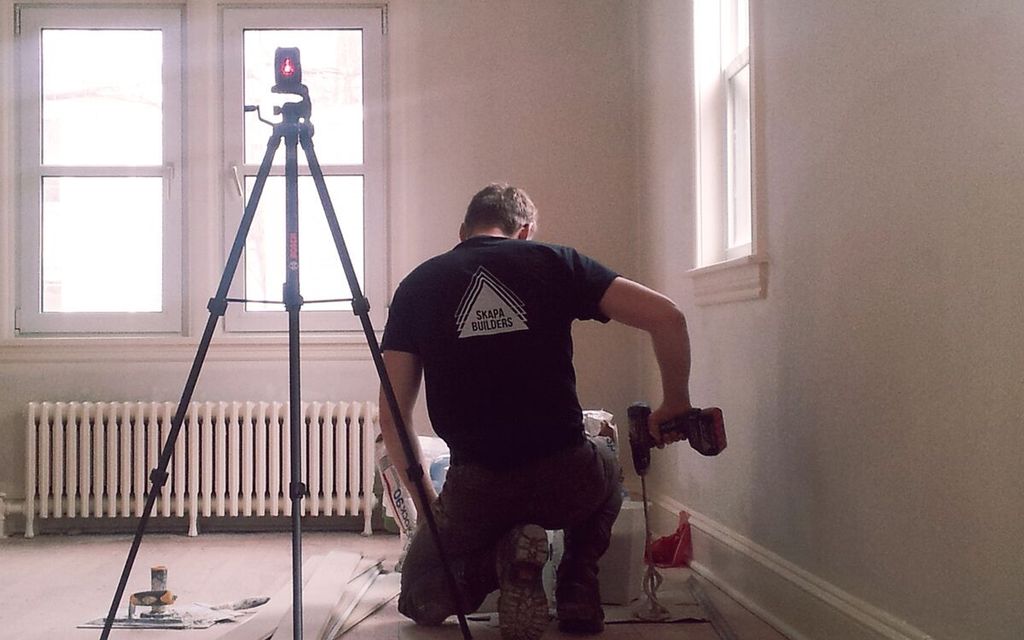
How do I choose the best pro to build a sauna?
Take these steps when looking for a professional to build a sauna:
Verify their license and insurance: Many sauna projects are handled by a licensed general contractor. They should have general liability insurance and workers' compensation. Licensing requirements vary by region, so check your local laws.
Get several estimates: A proper estimate should provide a detailed breakdown of costs, including labor, materials like the wood and heater, any required electrical work, and a clear project timeline.
Read their reviews: Look for reviews that mention good communication, punctuality, and high-quality craftsmanship. Red flags include complaints about surprise costs, messy work, or issues with the sauna’s performance after completion.
Look at their portfolios: Check their portfolio for high-resolution photos of previous sauna builds. Pay close attention to the details, like the woodwork, bench construction, and how well the components fit together.
Find out if they have warranties: Ask about a workmanship warranty, which covers the installation itself. The sauna heater and other electrical components should also come with their own manufacturer's warranties.
Ask important questions: Before hiring, ask: Who will handle the electrical work for the heater? What kind of ventilation do you recommend for my space? How will you ensure the room is properly sealed for heat efficiency?
Can you build your own sauna?
Yes, you can build your own sauna, particularly if you have some construction experience. It’s a complex project that involves carpentry, electrical work, and installing proper ventilation. While pre-fabricated kits can make it easier, you may want to hire a professional builder for a fully custom job.
What impacts the cost of a sauna build?
The cost of building a sauna will vary due to a range of factors, including:
Sauna type and size: A small, prefabricated kit will generally cost less than a large, custom-built sauna. Outdoor saunas may also require a foundation and weatherproofing, which can add to the cost.
Heater selection: The cost can vary depending on whether you choose an electric, infrared, or traditional wood-burning stove. Electric heaters are common, but wood-burning models may require a chimney installation.
Materials used: The type of wood you select plays a big role. Woods like cedar are popular for their durability and aroma but are more expensive than options like pine or hemlock.
Labor and complexity: A simple kit assembly is more affordable than a custom design that requires significant framing, electrical work, and ventilation. You may need to hire a general contractor for more involved projects.
Features and accessories: Adding custom features like multi-level benches, upgraded lighting, speakers, or large windows will increase the final price.
What are the steps to building a sauna?
Building a sauna typically starts with planning the location, size, and type of sauna, such as electric, wood-burning, or infrared. Next, the space is framed and insulated to retain heat, and moisture barriers are installed. Electrical wiring or ventilation is added based on the heater type. Sauna benches and interior paneling — usually made from heat-resistant wood — are then installed. The heater is set in place and tested, and then you can add sauna stones, lighting, and accessories. Final steps include safety checks and allowing the sauna to heat properly before use.
How long does it take to install a sauna?
It might take a few days or up to a few weeks for a professional to complete a sauna build. There are a few factors that may impact how long it takes. For example:
Type of build: A pre-fabricated kit can often be assembled in a day or two, while a fully custom design will take significantly longer.
Site preparation: The timeline can be extended if the area needs significant work, like leveling ground or running new electrical lines.
Size and complexity: Larger saunas or those with intricate features, such as custom benches and windows, require more time to construct.
Permits: Your project may require local building permits, and the application and approval process can add weeks to the schedule.
Material availability: Delays can occur if specific woods, heaters, or other components need to be special-ordered.
Remember: The timeline for your project will vary depending on many factors. Always ask your pro to provide an estimate.
How can I save money on a sauna build?
Save money on your sauna with these tips:
Consider a pre-fabricated sauna kit. These kits come with all the necessary materials and instructions, which can significantly reduce labor costs if you're comfortable with a DIY approach.
Choose your wood wisely. While cedar is a premium choice, you can save money by opting for more affordable woods like spruce or pine without sacrificing performance.
Keep the design simple and the size modest. A smaller sauna requires fewer materials and less labor, and forgoing complex features like multi-tier benches can also lower the price.
Compare heater options based on your budget. An electric heater is convenient, but a wood-burning stove might have a lower upfront cost if your setup allows for proper ventilation.
Get multiple quotes from professionals to compare pricing. If you're planning other renovations, some contractors may offer a better rate by bundling the sauna construction with other projects.
Is it cheaper to build a sauna or buy one?
Building your own sauna from scratch can be cheaper than buying a prefabricated kit, but it requires significant time and skill. Prefab kits, meanwhile, are usually faster to assemble. If you're looking for a custom design without the DIY headache, working with general contractors is a great option.
Do I need a permit to put a sauna in my house?
You'll likely need a permit, as most sauna builds involve new electrical wiring and structural changes. Since requirements vary by location, it's best to check with your local building department. Many general contractors can help you navigate the permitting process and ensure your project is up to code.