





Find local pros for your project
Tell us what you’re looking for and we’ll show you pros right for the job, with prices.

Updated
Enduring the elements throughout the winter and spring can take a toll on your home. When summer rolls around, it’s time to address any repairs that the wilder weather may have visited upon your dwelling — and tackle critical maintenance tasks that will protect your home and save you money down the road.
A summer maintenance checklist will help you maintain your home’s value over time, boost its curb appeal and protect it from the upcoming fall weather. Not to mention that regular maintenance will make your home comfortable during those hot summer days when you’re forced to stay inside to keep cool.
Wondering which tasks to take on this summer? Here’s a list of the best summer home maintenance tips — starting with a few you can tackle outside the home.
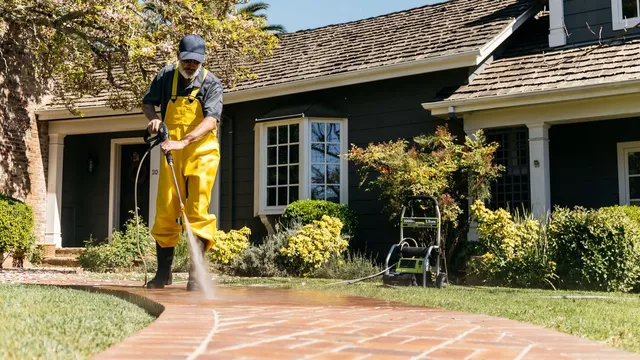 Pressure washing (and power washing) will remove the grime that has built up over the past year. If your home’s siding is painted, pressure washing may also remove peeling paint, which is a signal that your siding will need a new coat this year anyway.
Summer and spring are the best times of the year to pressure wash your home’s exterior because of the weather. Choose a day and time when it will be warm enough to complete work, but not so hot as to become uncomfortable — or dangerous.
Who to hire: You can DIY this summer home maintenance task, but if you’re not handy with a pressure washer or your PSI (pounds per square inch) is too high, you could end up damaging your siding and other outdoor structures. Consider hiring a pro for this job.
Related: How much does it cost to pressure wash a house?
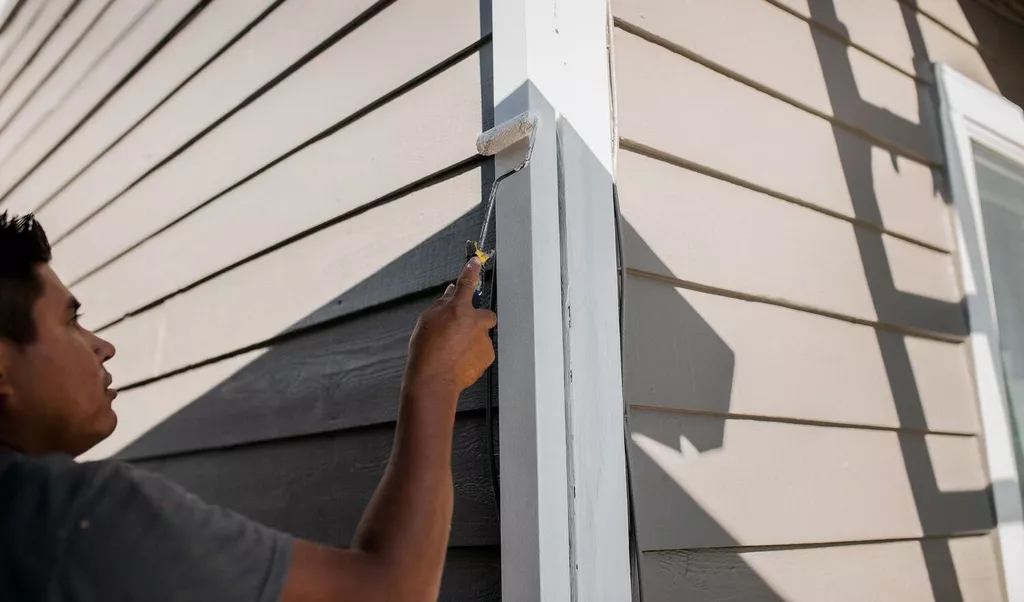
Every couple of years, you should repaint your home’s exterior — and take care of touch-ups every now and then. This summer, check your home’s siding and exterior to identify any areas that need touching up, or start planning a whole new paint job if needed.
However, avoid painting your home if it’s extremely hot outside. You don’t want the paint to dry too quickly. If it does, it may not bind or adhere completely — which can make it more likely to crack or peel in the future. If the weather is generally too hot (or rainy) this summer, hold off on this project until early fall.
Who to hire: You may be able to do touch-ups on your own, but if you need your entire house repainted, hire an exterior painter near you.
Related: The complete guide to painting your home's exterior.
If you have a fence, whether decorative or functional, summer is a good time to make repairs and paint it. The weather should be dry and warm enough for fresh paint to cure properly.
Before you begin painting, inspect your fence for issues like cracked or splintering wood and loose rails and fence posts. Once the repairs are done, use a pressure washer to clean the fence and remove flaking paint. Then repaint in a shade of your choice.
Who to hire: If you’re handy, feel free to take this on as a DIY project — or you can always find an experienced fence painter or handyman to tackle this job.
Related: How much does it cost to stain or paint a fence?
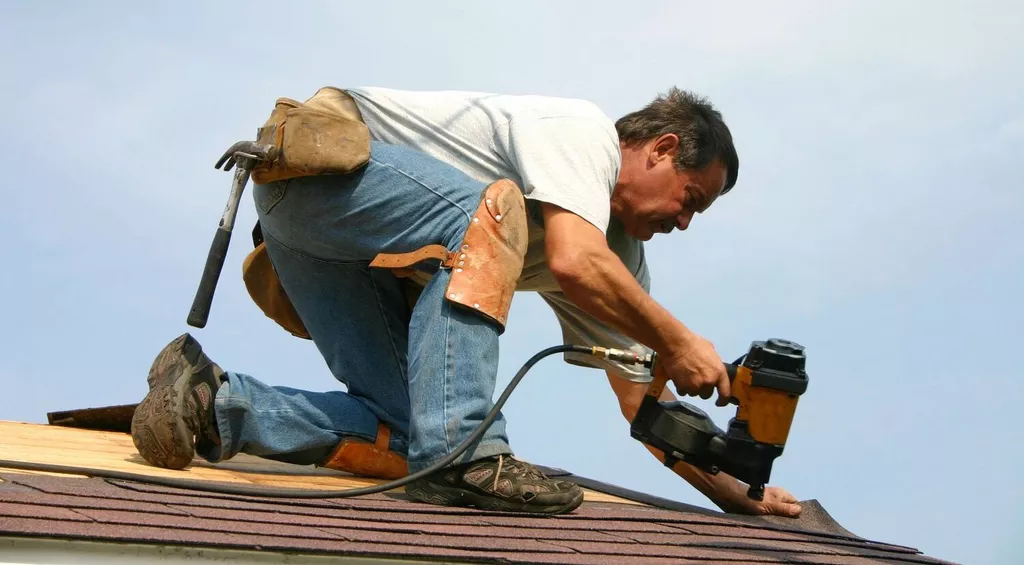 If your area experienced severe spring storms, inspect your roof and the rest of your home’s exterior to identify repairs.
For example, is your roof missing a shingle or tile? Did April showers cause water damage or leaks? Summer is the time to address those issues. Tackle all of the big repairs (like roof repairs), as well as the little things (think: squeaky hinges and dripping faucets).
Who to hire: A handyman can handle many repairs. But for more complicated work that requires a special license or certification, you may need to hire a contractor.
The lawn is an area that homeowners sometimes overlook, but it requires summertime maintenance, too. To keep your turf green, lush and free of weeds or bare patches, consider aerating and overseeding your lawn to prevent and alleviate soil compaction, fill in bare patches and thicken your lawn.
Depending on where you live and the climate, you may want to do these tasks in early or late summer — or even early fall or late spring.
Who to hire: For this job, turn to a lawn care professional. These pros will not only have the tools needed for aeration, but they’ll also be able to make recommendations for your specific grass type.
Related: Summer lawn care tips for a healthy, green lawn.
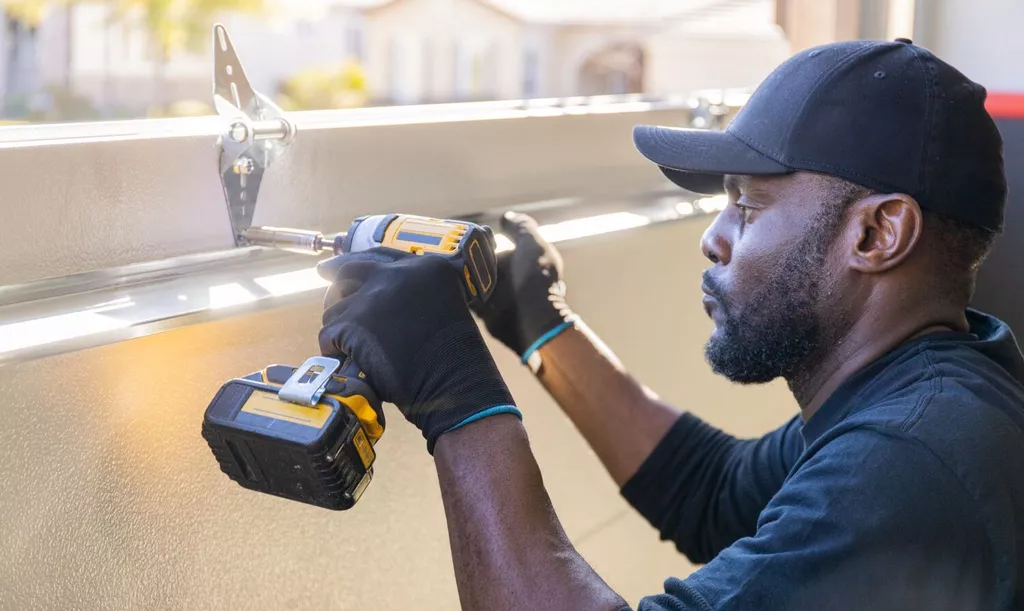 It’s usually warm enough in the summer to have your garage door open for long stretches — making it the perfect time to do a little maintenance, too.
Back the car out of the garage, close the door and oil all of the door’s hinges to keep them working smoothly. Also, pay attention to the door opener and its chain. If needed, clean the chain to remove grime and debris. Then oil it thoroughly.
Who to hire: You can probably oil your garage door by yourself, but if you think you need repairs, it’s a good idea to contact a professional.
Gutter cleaning should be done a couple of times per year — or whenever gutters become clogged, which can happen at any time, including the summer.
If your gutters and downspouts are clogged with leaves, dirt and debris thanks to a recent spring storm, clean them in the summer. By handling this task before fall and winter arrive, you can avoid potential water damage, broken gutters and pest infestations that tend to occur during those rainy seasons.
Who to hire: For large gutter systems or second story gutters, call a professional gutter cleaner.
Whether you use your backyard for entertaining friends and family or for peaceful solo lounging, keep your landscaping features looking great throughout the summer.
For example, after hosting an outdoor gathering, remember to wipe down your furniture and other surfaces. Inspect your deck and patio for cracks and peeling paint. These could be signs that you’re due for repairs or repainting. Finally, make sure your lawn, trees, flowers and other plants are getting the water they need from your irrigation system — but not too much.
Who to hire: If you have a lot of landscape maintenance to tackle, consider hiring a landscaper to help you stay on top of everything.
Winter freezes and spring thaws can do a number on outdoor spigots and other outdoor plumbing fixtures. Even a slow drip can add up to a lot of water wasted — up to 104 gallons per year at the rate of one drip per minute for three faucets. And water pooling around your home’s foundation can eventually cause structural damage.
Who to hire: If you spot a leak, call a plumber to fix the problem.
As spring showers start to abate, your sprinkler system will need to be up and running to keep the grass green throughout the hot, dry parts of summer.
Locate your sprinkler heads, and clean out any nozzles that may be clogged. Broken sprinkler heads should be replaced, and all heads should be adjusted so that they’re perpendicular to the surface of the soil to avoid wasting water.
Who to hire: If you’re unfamiliar with sprinkler system maintenance, hire a professional for the job.
If you have a swimming pool that will be getting a lot of use during the summer, stay on top of cleaning it. Skim the surface for leaves and debris, empty the baskets, vacuum the bottom of your pool, clean the filter and check the chemicals and water quality.
Who to hire: Try to complete basic pool maintenance tasks at least every week. Even better, hire a pool cleaning company to take care of this for you.
Related: An easy pool maintenance guide.
At least once a year, trim your shrubs to keep them healthy and beautiful — and to boost your home’s curb appeal this summer. Just be careful that you're not pruning flowering shrubs at the wrong time of year. For example, roses and crape myrtle are best trimmed in late winter or early spring, according to Bob Vila.
Who to hire: A professional can help you shape your shrubs so your house will stand out on the block. Just let them know how tall the shrubs are and how many need to be trimmed.
Related: How much does it cost to trim a tree?
We focused a lot on summer home maintenance tasks for your yard and exterior because you’ll probably be spending a lot of time outdoors. But your home’s interior is just as important — especially if you plan to spend most of your summer days inside to beat the heat. Here’s what you should put on your summer checklist.
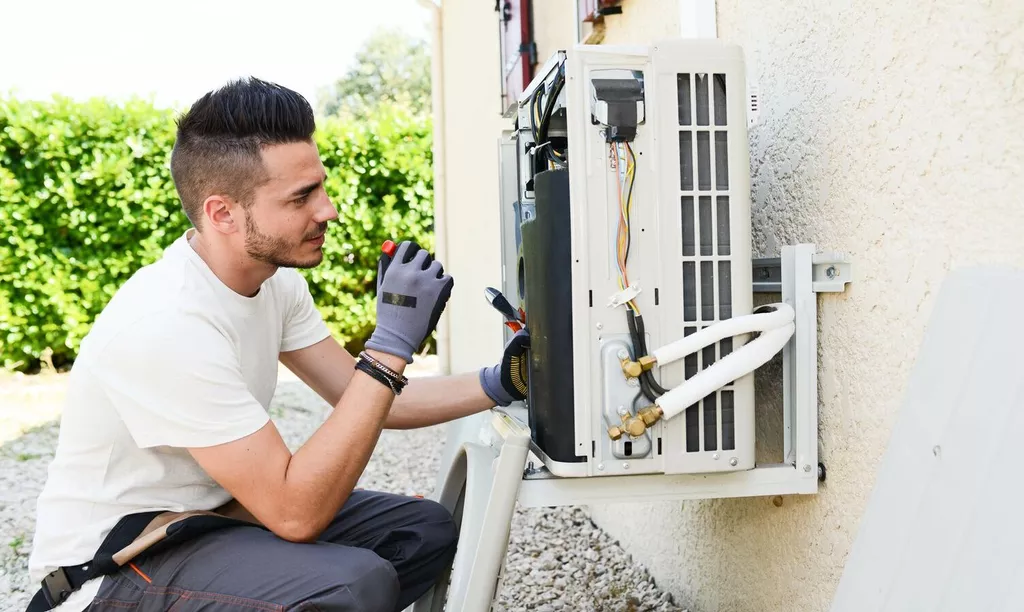 The best time to get your AC serviced is during the spring. However, if this task fell off your spring home maintenance checklist, aim to get it done early in the summer — or at least before the hot weather arrives in full force.
Who to hire: Find an HVAC technician near you who can service your AC unit and tackle repairs.
In the winter, it’s wise to run ceiling fans in reverse so that they direct airflow upward, thus circulating the warm air that rises to the ceiling throughout the rest of the room.
You’ll need to switch it up for summer. Help your cooling system out by reversing your fans so they direct air downward to better circulate cool air in the room.
Who to hire: Switching the direction is easy to do on your own. Just flip the switch on the fan’s motor housing. If you don’t have a ceiling fan, consider installing one to save on energy costs this summer.
 Hire a top-rated house cleaner to give your home a thorough summer cleaning. Depending on where you live, the heat and humidity that comes with summer can encourage mildew or mold growth inside your home. So it’s always best to clean your home regularly and check for signs of mold in your bathroom, basement and other areas prone to water exposure.
It’s also a good idea to clean your home before your summer gatherings. Make sure you have sparkling clean bathrooms and smudge-free countertops the next time you host an outdoor BBQ or pool party. Planning on taking a trip this summer? Get a house cleaner to help get your house in order while you focus on planning your travel itinerary and packing. There’s nothing like coming home to a nice, clean home after spending several days in a hotel room.
Who to hire: Look for a house cleaner who can wash your walls and windows, dust your furniture and shelves, clean your refrigerator and handle other big cleaning tasks so that you have more time to enjoy your summer activities.
Related: How much does it cost to hire a house cleaner?
Depending on their condition, you may want to clean your air ducts this summer. The EPA identifies a few instances where you should consider getting your ducts clean. For example, you may want to hire a pro if you see a substantial amount of mold growth, pests or other debris clogging up your ducts.
Who to hire: Ductwork cleaning can be a big job that may require you to take your ducts apart at certain intervals to access and thoroughly clean the entire system. For this reason, it’s best to look for a professional that specializes in cleaning ductwork.
Dryer vent pipes should be cleaned at least once a year to prevent the buildup of lint and other debris, according to the National Fire Protection Association. Lint caught in dryer vents can cause residential fires, which you’ll want to avoid at all costs.
Good airflow through the vent system also helps your dryer work more efficiently, which means your clothes will dry faster and your energy bills will stay lower.
Who to hire: You can attempt to do this task yourself, or search for dryer vent cleaners near you.
During the winter and spring months, people may have tracked water and dirt into your home. If so, who knows what kind of bacteria and mold spores may be lurking underneath your carpets? For your peace of mind, consider cleaning your carpets with a vacuum, steam and carpet shampoo.
Who to hire: This can be a DIY task as long as you have the proper equipment and cleaning solutions. If not, you can hire a carpet cleaning service in your area.
Related: How much does carpet cleaning cost?
Grout that was mixed with too much water, a shifting subfloor, issues with the thinset coverage and even everyday wear and tear can cause your grout to crack. And if your grout starts to degrade, water may seep through and lead to mold growth. At the beginning of summer, inspect all tiled areas and check for cracks and chips in the grout.
Who to hire: If you find any problems, hire a professional to fix your grout and tile.
If the winter or spring weather damaged the caulking around your windows and doors, now’s the time to recaulk them. Sealing your windows will help you keep cool air in (and hot air out), which ultimately helps you lower your energy bills by allowing your air conditioning to work more efficiently. Plus, sealed cracks will keep unwanted pests and insects out of the house — and in the yard where they belong.
Who to hire: Find companies that provide window sealing services near you.
Didn’t have time to tackle that pile of mess in the garage during your spring cleaning routine? Put it near the top of your list this summer.
Garages are notorious for collecting clutter. And your car may have left a layer of salt, grime and mud after months of driving on wet, treated roads.
Get rid of all that clutter by selling or donating items you no longer need. Once your garage is clutter-free, give it a thorough cleaning on a warm summer day. That way, you can leave the garage door open so the wet floors can dry quickly. Then, consider investing in a few shelves, cubbies and other storage items to help you keep your garage organized all year long.
Who to hire: This can be a DIY task that the whole family helps out with. But if your garage is extremely cluttered, save yourself the time and find a pro to clean it out instead.
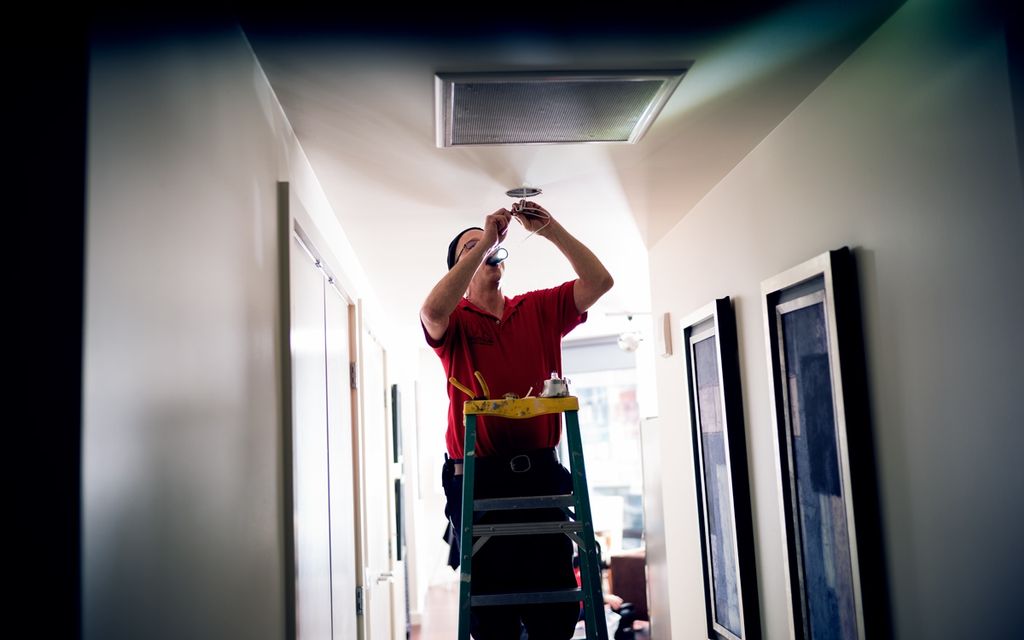
It’s easy to forget about smoke detectors — but remember that these can save lives should there ever be a fire or carbon monoxide leak. With campfire and barbecue season on the way, it’s smart to check your smoke detectors at the beginning of summer.
Test each detector to make sure the batteries are working, and put new batteries in as needed. If you have older smoke detectors, you may want to replace them with newer ones. It’s an inexpensive job that could save your home.
Who to hire: You can do this yourself, or hire a handyman if you need help.
Ask any real estate agent, and they’ll encourage you to inspect your home every 3-5 years for maintenance and repairs. This is especially important if you plan to put your house on the market in the near future. During the inspection, you should check for structural and foundational issues, as well as the condition of your flooring, walls, appliances and more.
Who to hire: It’s best to contact a professional home inspector. They can give you a detailed report on which maintenance and repair issues you need to address.
Get your home ready to go for the coming season by checking these summer home maintenance items off your list. Some of these projects could be big ones that you may not want to take on yourself. That’s when you can count on Thumbtack to help you find a home maintenance professional.
More seasonal maintenance checklists:
Tell us what you’re looking for and we’ll show you pros right for the job, with prices.