Inset vs. overlay cabinets: Which one is better?
By Kristy Snyder•Last updated May 17, 2023
Last updated May 17, 2023
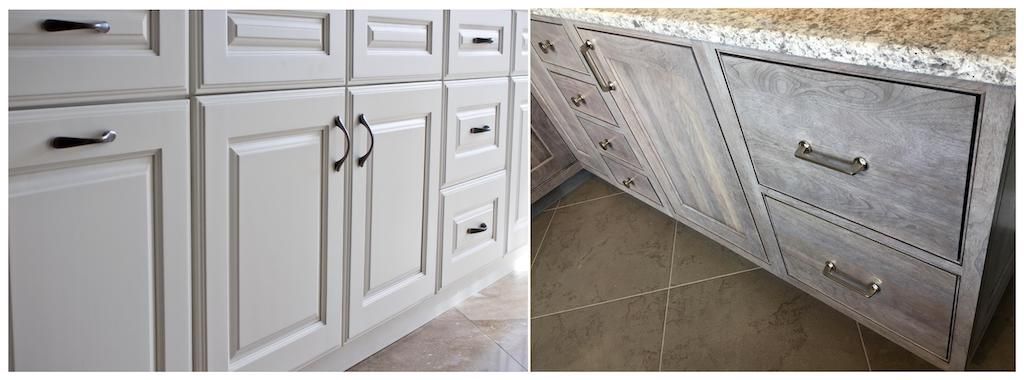
You've likely never given your cabinets much thought, but now that it's time to replace them, you have to decide — inset or overlay?
The difference between inset and overlay cabinets mainly comes down to appearance and price. See how they compare so you can decide which is best for your kitchen cabinet remodel.
Inset vs. overlay cabinets comparison chart
| Inset cabinets | Overlay cabinets | |
|---|---|---|
| Cost | More expensive | More affordable |
| Appearance | Doors are flush with the front of the cabinet | Doors sit on top of the front of the cabinet |
| Durability | Less damage to the edges and corners, but gaps could appear over time and due to humidity | More susceptible to dings and scratches on the edges |
| Installation | Harder to install | Easier to install |
| Biggest pros | Offer a sleek, modern look, give you the option of hiding hinges, less chance of damaging edges | More affordable, increased storage space, and easier to install |
| Biggest cons | More expensive, less storage space inside the cabinets, can show gaps over time | Easier to scratch and ding, and the style can look more traditional or dated |
What are inset cabinets?
As the name suggests, inset cabinet doors sit flush with the frame. Because they're set into the cabinet frame, they create a seamless look. During installation, a contractor attaches the hinges on either the interior or exterior of the inset cabinet face frame.

Because of their precise craftsmanship, inset cabinets can be more expensive than overlay cabinets. That also makes them a less likely choice for first-time DIYers.
While inset cabinets can last for many years, you may begin to notice gaps between the doors and the frame over time, especially in humid locations.
Inset cabinet pros and cons
| Pros | Cons |
|---|---|
| Offer a sleek, modern look | Tend to be more expensive |
| Give you the option of hiding hinges | Not as DIY-friendly |
| Fewer scratches or divots on corners | Gaps can show over time |
What are overlay cabinets?
Overlay cabinet doors completely cover the cabinet, making them easier to install and, typically, more affordable. There are two kinds of overlay doors to choose from: full and partial.

Full overlay doors completely cover cabinet frames, meaning you need hardware to open them. This style provides a sleek look that's similar to inset cabinets.
Partial overlay cabinet doors, on the other hand, only cover part of the frame. They leave gaps between the door and the drawer, which allows you to open them without hardware.
Overlay cabinets are generally more affordable because the doors sit over the cabinet, making them easier to install.
Overlay cabinet pros and cons
| Pros | Cons |
|---|---|
| More affordable and easier to install | Easier to scratch and ding the exposed corners |
| Increased storage space | Can sometimes look dated |
Biggest differences between inset and overlay cabinets
Each style has its pros and cons, but storage space is one big difference between inset and overlay cabinets. Inset cabinet doors are set flush with the cabinet, meaning they take up an extra inch or two of space. Because overlay doors are outside the cabinet, you get that space back.
Inset cabinets are generally the more expensive option. However, if you like the style, the higher cost may be worth it.
Get free estimates from carpenters and cabinet installation professionals so you can plan your budget for this project.
Inset vs. overlay cabinets — which one should you choose?
When deciding between overlay and inset cabinets, take your budget and overall vision into account.
Choosing inset cabinets may be more expensive, but many people appreciate the seamless style. Overlay cabinets are usually more traditional. However, full overlay doors can give a more modern appearance. They’re also better if you have a limited budget.
Overlay cabinets are also a great choice if you want to maximize space. They are positioned outside the cabinet, allowing you to make full use of the space inside the cabinets.
Hire a cabinet professional near you
Now that you know more about both cabinet styles, find a professional to do the job for you. Search for a top-rated cabinet installation professional on Thumbtack. They can provide you with a free estimate and install the kitchen cabinets of your dreams.
A note about project costs included or linked in this article: Figures represent national average cost estimates using data provided by Thumbtack pros and additional research. These figures are provided for educational purposes only and are subject to change at any time due to various factors. Details about your specific project and local rates can impact costs.
How it works.

Search.
Browse profiles, see prices and use filters to find pros who match your project.

Chat.
Contact the pros you like to discuss project details.

Hire.
Check pro availability and book appointments right in the app.
Find local pros for your project
Tell us what you're looking for and we'll show you pros right for the job, with prices.